
What Is a Mortise Lock — and Why Older Homes Have Them
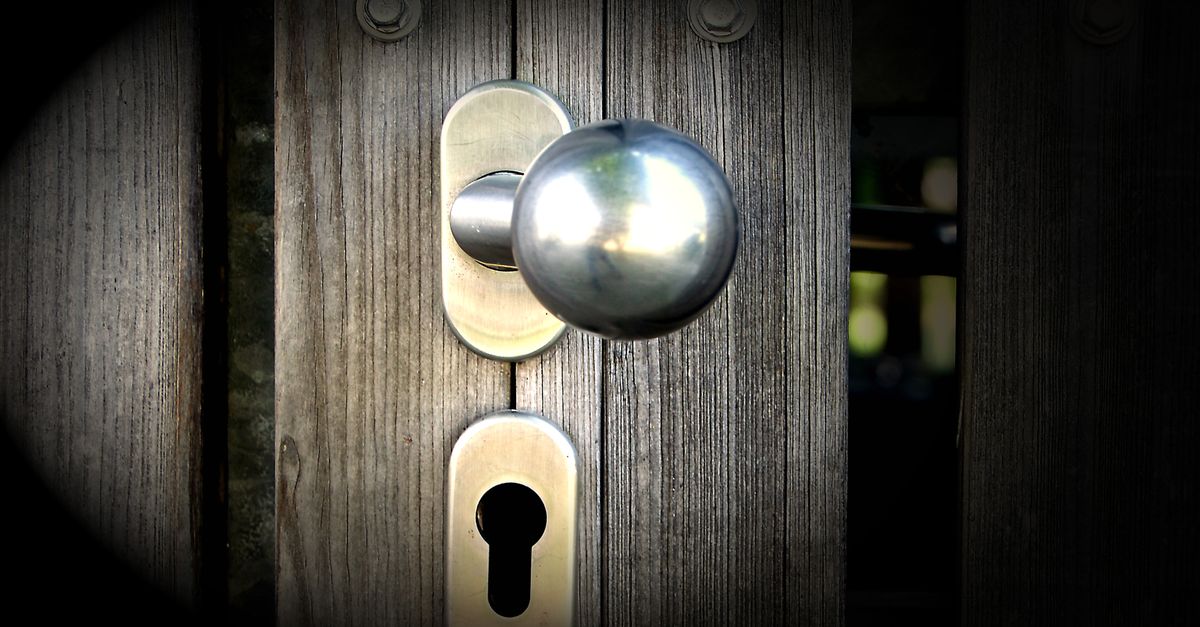
A mortise lock is fundamentally different from the cylindrical locksets most people are familiar with today. Instead of a simple bored hole through the door face, a mortise lock requires a deep rectangular pocket — the 'mortise' — chiseled into the door edge, into which a self-contained lock body slides and sits flush. That body houses the latch bolt, the deadbolt, the spindle mechanism, and sometimes a privacy turn, all in one cast-iron or brass chassis. The external trim, knobs, levers, and the separate mortise lock cylinder are then threaded through the door to engage this interior mechanism. This is why mortise lock sets tend to feel so substantial compared to modern hardware — there is genuinely more working mechanism inside.
Hillsdale's older Colonial and Tudor-style homes, particularly those built between the 1920s and 1960s, were fitted with mortise lock sets as the standard front and back door hardware. Brands like Corbin Russwin mortise locks and Baldwin mortise locks were specified by contractors of that era for their durability and the security margin their multi-bolt designs provided. Decades later, those same locks are still in place in many homes, which speaks to their original quality — but it also means the internal springs, cams, and follower plates are operating well past their intended service intervals.