Car Key Replacement by Brand: What the Process Actually Involves
Not every key replacement job is the same, and the brand of your vehicle determines almost everything — the blank type, the chip protocol, the programming method, and the time required. For Toyota and Lexus vehicles, our technicians use OBD-II-level programming that syncs a new transponder key or smart key fob to your car's ECU. Honda and Acura models often require dealer-level TRANSPONDER programming for their HON66 and HON70 blade cuts. Ford and Lincoln keys, especially the newer PATS (Passive Anti-Theft System) keys, need pin code extraction and secure pairing before the vehicle will start. GM vehicles — Chevrolet, Buick, GMC, Cadillac — frequently use the VATS or PassLock system, and our equipment handles the full range from older column-ignition keys to modern proximity fobs. Chrysler, Dodge, Jeep, and Ram vehicles often run Sentry Key Immobilizer Systems (SKIS), which require module-level pairing we perform right at your location.
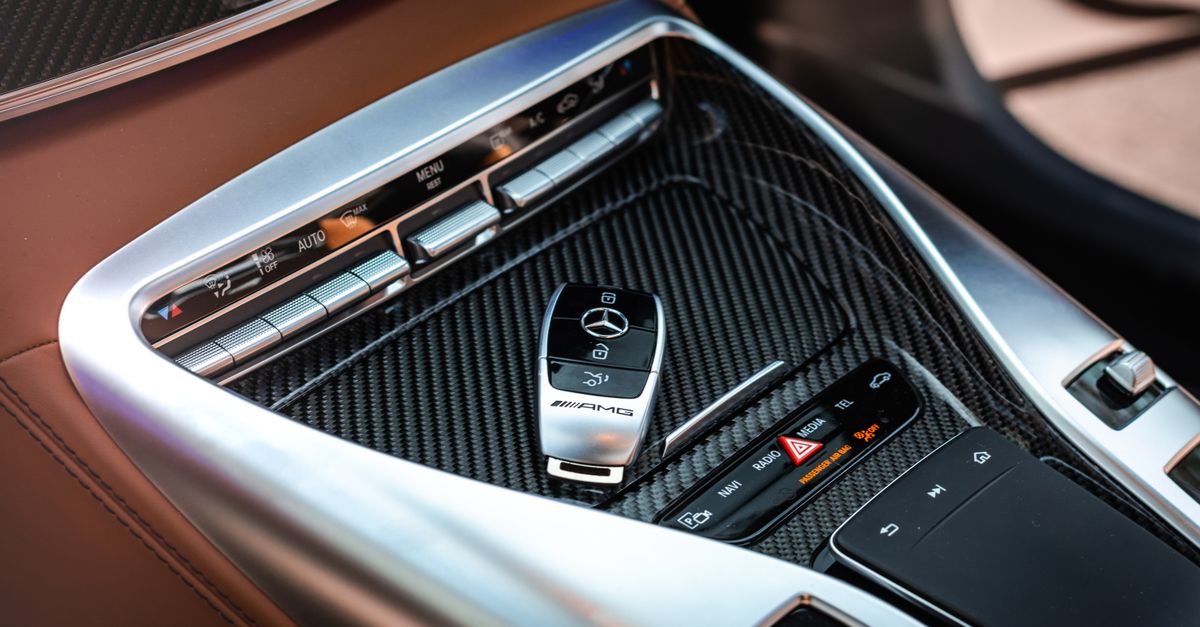
European brands bring their own layer of complexity. BMW keys with the CAS module, Mercedes-Benz Infrared or NFC-based keys, Audi and Volkswagen with their 4th-generation transponder systems — these all demand brand-specific adapter software that our technicians carry with them. Even brands like Subaru, Kia, Hyundai, and Nissan have moved to push-button proximity fobs with encrypted rolling codes. The point is: brand matters enormously. If you tell us your year, make, and model when you call (201) 977-1100, we can confirm on the spot whether we carry the correct blank and programming profile for your exact vehicle before we ever roll out of our service area.